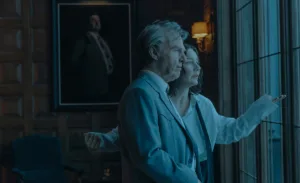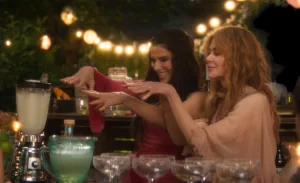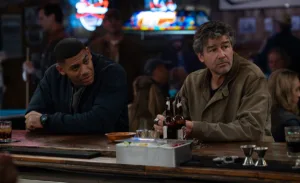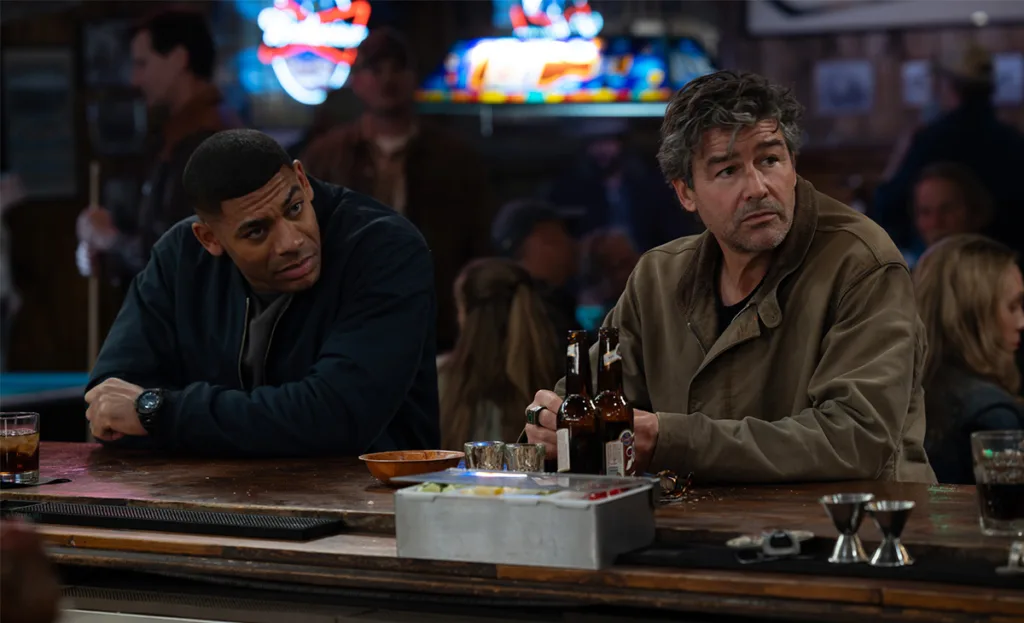
Lanterns is the new series from HBO and DC Studios. It follows Hal Jordan as he must train John Stewart to be his backup as Earth’s Green Lantern. During their training, they encounter a murder in the rural American town of Rushville, Nebraska. As they investigate it, a darker mystery begins to unfold where they must uncover the truth.
The show premieres Sunday, August 16th on HBO, streaming on HBO Max, and Screen Brief was lucky enough to attend the press conference where the cast and creators spoke about the series. The panel featured cast members Kyle Chandler (Hal Jordan), Aaron Pierre (John Stewart), Kelly MacDonald (Sheriff Kerry), Garret Dillahunt (William Macon) and Poorna Jagannathan (Zoe), alongside co-creators and writers Chris Mundy, Tom King and Damon Lindelof. Here are the highlights from what we learned at the event.
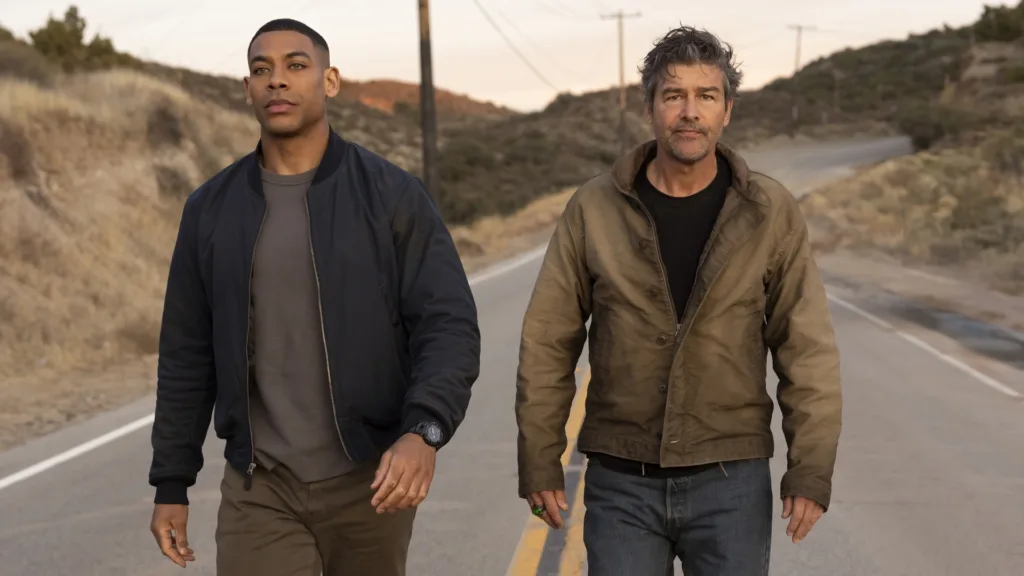
On building the Hal and John partnership on set
Q: The dynamic between Hal and John really roots the premiere… for each of you, what was most important to establish right away, from the word go in the first hour of the series, about how your character sees himself, but also how he sees the other person?
Kyle Chandler: “the first thing that we did was to get to know each other on the set and to get to know all the other people on the set… once Aaron and I got to work together, it was very quick. And along with James Hawes and Chris behind the monitor and working the cameras… it became obvious really quickly that there was going to be a very cool collaborative process which freed us up. And they were more than willing, I think, to let us make mistakes and to find our way so everyone could find something.”
Kyle Chandler: “it’s not too hard to figure out that Hal has a competitor here and he doesn’t want to admit it, but, you know, he’s getting a little older and things are happening… like, he’s pretty dark pathology, this dude.”
Aaron Pierre: “the first thing that we wanted to establish was, as Kyle articulated beautifully, safety. We wanted to establish a safety within our partnership and dynamic and that extended way beyond us as well… once safety is established, then you feel an ease, and you feel at liberty to explore, try things, and eventually you’re going to get to the greatest place it can be because you feel free enough to get it wrong and fall forward. Kyle and I did a lot of falling forwards.”
Aaron Pierre: “We like to improvise. We like to try things. We like to never derail the story, but we like to surprise each other. And they permitted us freedom and liberty to do that. And that’s where some of the most beautiful moments are derived from that feeling of safety and freedom.”
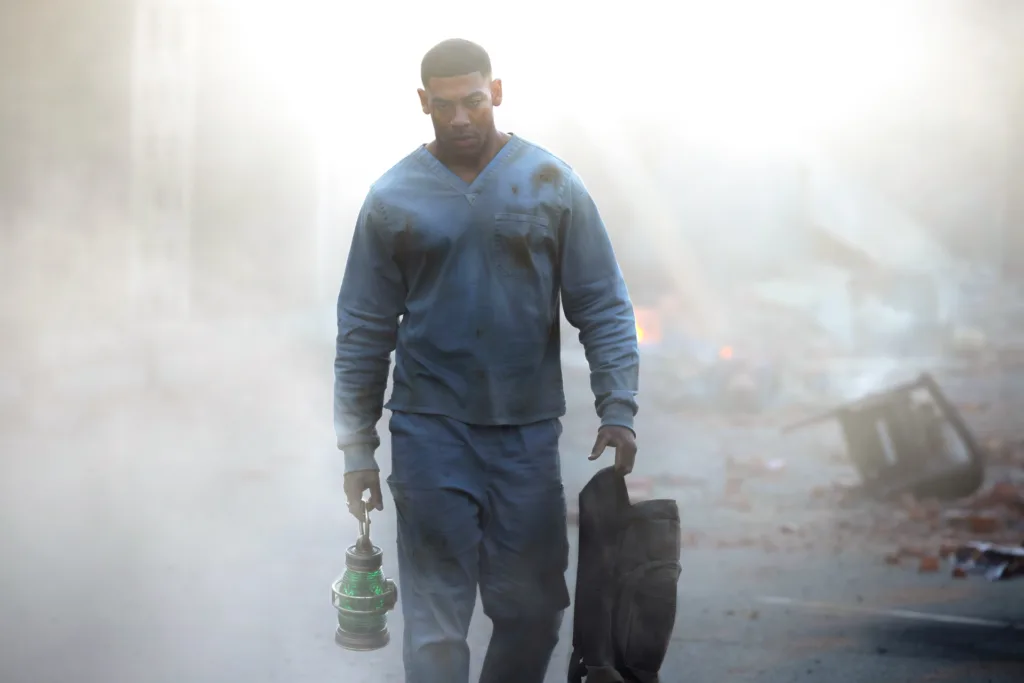
On finding the humanity beneath the superhero
Q: I’m curious about which aspect of how we function, not just as heroes, but as people, as human beings, drew you to wanting to explore these characters and to this adaptation.
Damon Lindelof: “anytime you’re working on… something that isn’t original, something that you’re inheriting, you either lean in or you… lean out. And for me, I had heard that Tom King had ideated this Green Lanterns idea that was being called Lanterns that was being described as a true detective, a story set on Earth, which immediately I was sort of like, oh, they’re space cops, so that sounds cool.”
Damon Lindelof: “I’m now at a point in my career where I’m in my 50s and I’m still showrunning but starting to feel like it’s time for me to give up the ring, but I don’t want to let it go. And, and that idea really captivated me… well, they’re human beings first before they even put on the rings. And so that kind of idea of how do you use this as a vessel of relatability.”
Q: Green Lantern… has had a checkered past… what do you think is the secret juice that you found to get it right?
Damon Lindelof: “it’s all about the characters and their humanity… you’re having conversations about rings and planets and aliens and all that stuff, you’re in the wrong territory. The territory is basically like, who are these guys? Where do they come from? You know, what does Hal want? What does John want?”
Damon Lindelof: “undergirding the tropes of a buddy cop story was this much more interesting idea, of kind of a love story and a mutual respect story and one guy needing another guy to kind of move through that story… For us, HBO afforded us a lot of time and a lot of patience and we got to spend a lot of time with John and a lot of time with Hal.”
Chris Mundy: “there are a lot of very different people in our writers’ room. There were, you know, races, ages, sexes… Then you make a show about people. And so our goal was to make a show about people that had this tremendous cool power when they put this ring on.”
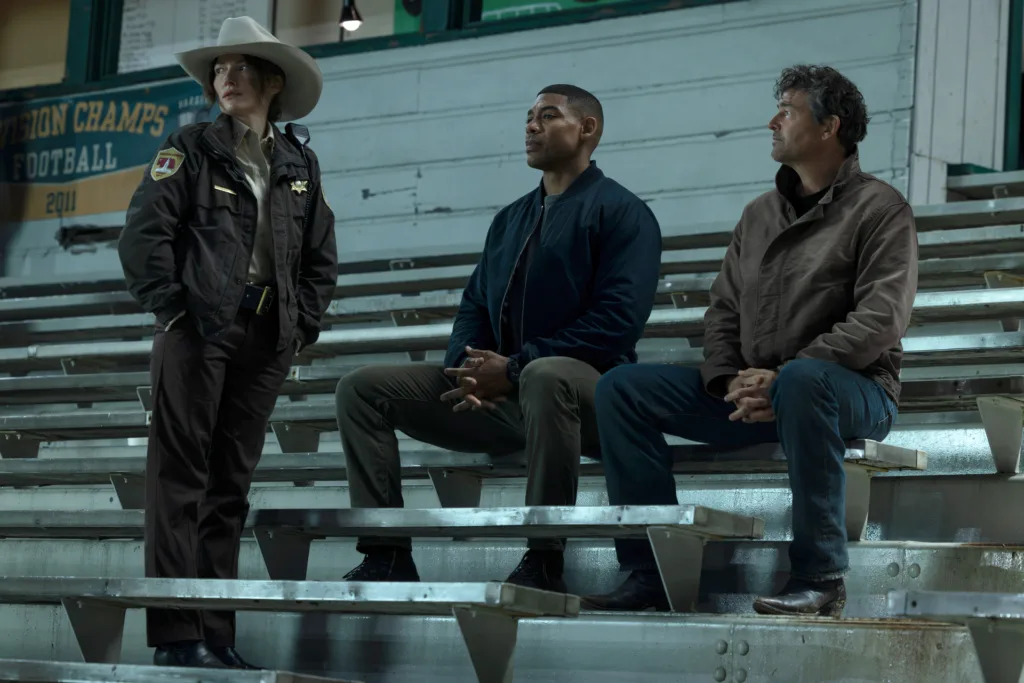
On grounding a cosmic story in small-town Nebraska
Q: Lanterns is inherently cosmic and vast and sweeping. So, Tom and Chris… how did you think about those elements in conversation with each other and ultimately ones that could enhance each other?
Chris Mundy: “you introduce something, you get people to understand it, and then you add… the first time there’s a construct used, it’s Hal doing a 20-dollar bill to play a song over and over again, you know? And then, John is lighting a cigarette with it, and then it’s a bottle opener… But we’re also in this small town where hopefully… it feels dusty and real.”
Tom King: “with superheroes… the powers and the incredible and the amazing of it all can just be noise on top of noise where you don’t even hear it anymore… it’s like looking at Lawrence of Arabia. If you just look at the desert, it’s nothing, but if you look at Omar Sharif on that one camel coming across it, suddenly it becomes vast and big and amazing.”
Tom King: “my grandmother was from a small town, Rushville, Nebraska, in the panhandle of Nebraska… she rode a horse to school and there were three people in the schoolhouse and they all knew each other. And to me, that was an alien planet… just to put a little bit of her magic in the show is where Rushville came from.”
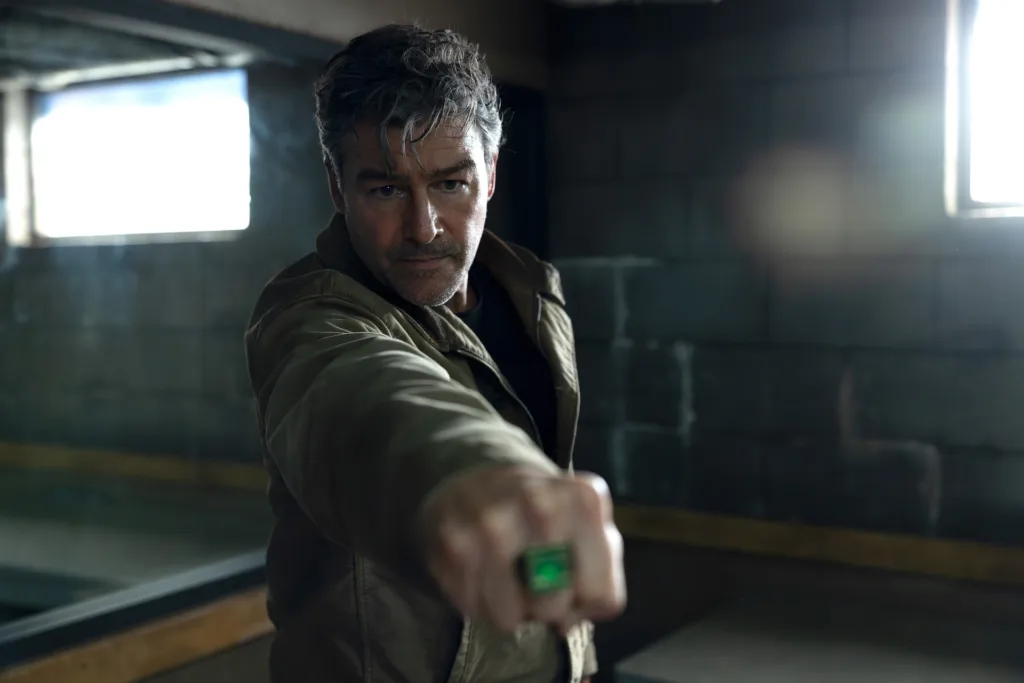
On making a superhero in his fifties
Q: presenting somebody in their 50s who’s a superhero and what that represents and how that kind of changes the dynamic.
Kyle Chandler: “First of all, I take umbrage to your question.”
Kyle Chandler: “it was a great advantage, because there are things with your older years that come to you that you get to, in a project like this, you get to use them… there’s a lot of humor in getting older and there’s a lot of humor in this show.”
Chris Mundy: “these are people and it’s a real job, well, we’re all going to get a point… There’s a point in their job where like, oh, is it time for me to step aside for the next people?”
Damon Lindelof: “It’s got a great 401k.”
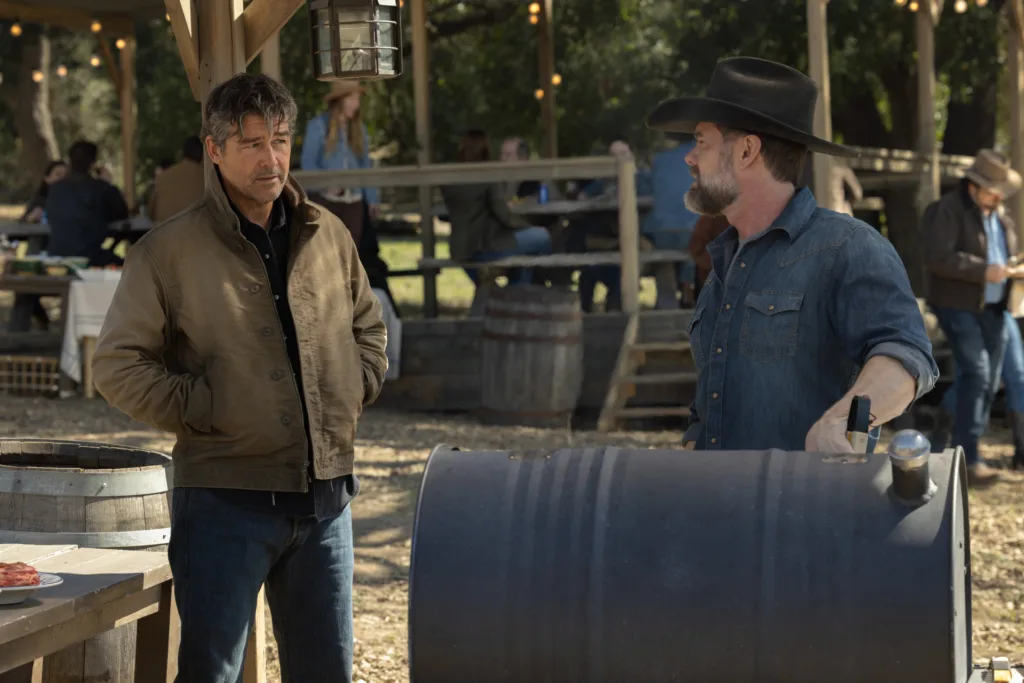
On the people of Rushville: Sheriff Kerry, Zoe and Macon
Q: what can you tell us about Sheriff Kerry’s skeptical eye and skeptical mind and what is informing that?
Kelly MacDonald: “As far as her view of Hal Jordan, I think she can see through him right away. And in a way, I think he does her as well… before you even see her, you hear her on the walkie-talkie. And she’s aware of their presence… she’s very bolshie and no-nonsense and swears a bit.”
Kelly MacDonald: “I’ve got this real thing for Americana and anything vaguely cowboy… I was the one that had the costume. I had a badge. I had a massive hat, Yosemite Sam style, and bespoke cowboy boots. I mean, it couldn’t have been better for me, so thank you.”
Q: what felt key in terms of when you’re deciding what to hold close to the vest and what you are allowing your character to show as a real declaration of intent?
Poorna Jagannathan: “it’s a whodunit, right?… it’s a very profound dissertation on power. And that is also the case with Zoe and William Macon… she sees John and there’s an instant affinity. We’re probably the two people of color in a very, very white town, right?”
Garret Dillahunt: “there’s nothing better than great writing… baked into it, like Poorna said, is this weird power dynamic even between us… there’s a lot of stereotypes that could have been applied, certainly to my character, and he seems open to all kinds of things that you wouldn’t suspect he would be.”
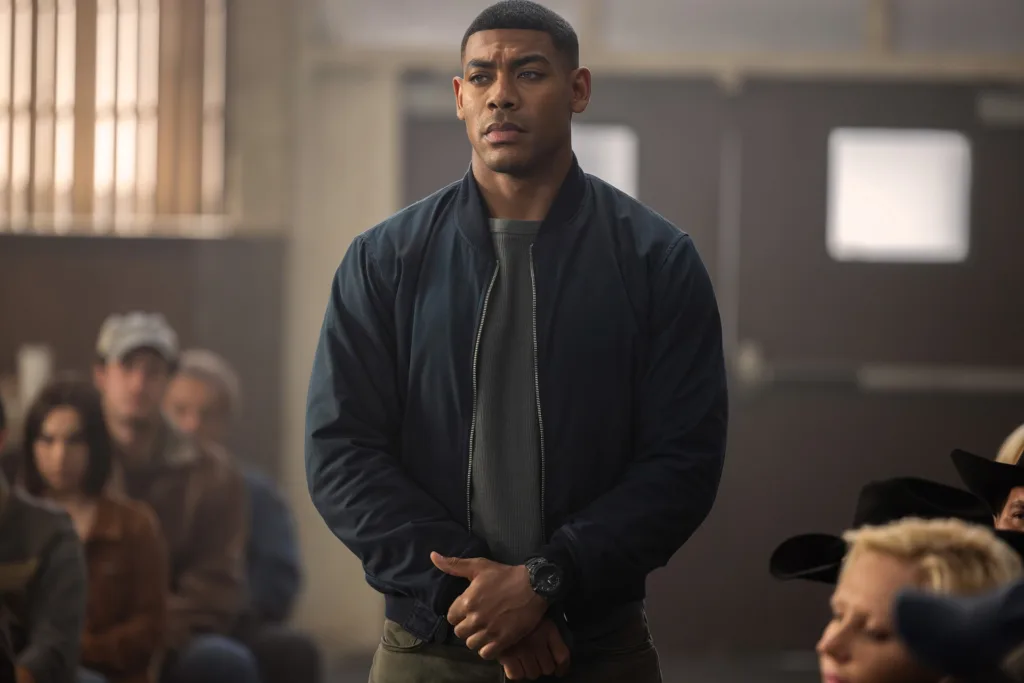
On John Stewart’s legacy and playing him first in live-action
Q: For many Black fans, John Stewart has been part of that future for decades. What do you hope his story says to longtime fans, but also to those meeting him for the first time?
Aaron Pierre: “one of my favorite things about John Stewart and how he’s detailed and how he is written and shared with audiences is the truth and the honesty, that is present within him and how he is just so immensely complex… I think he is somebody who… allows us to feel seen. He is somebody who allows us to feel heard, understood, comprehended, respected, and it’s an immense privilege and joy to have been given the opportunity to portray him in the first live-action version.”
Aaron Pierre: “John to me is somebody who is a raging sea internally. You know, externally he’s a gentleman, he’s precise, he’s accurate, he’s intentional, he’s clean. But internally, he’s a raging sea, he’s a tornado, he’s a volcano.”
Aaron Pierre: “I feel very seen by John and I’m ready to do this till the wheels fall off, to be honest with you.”
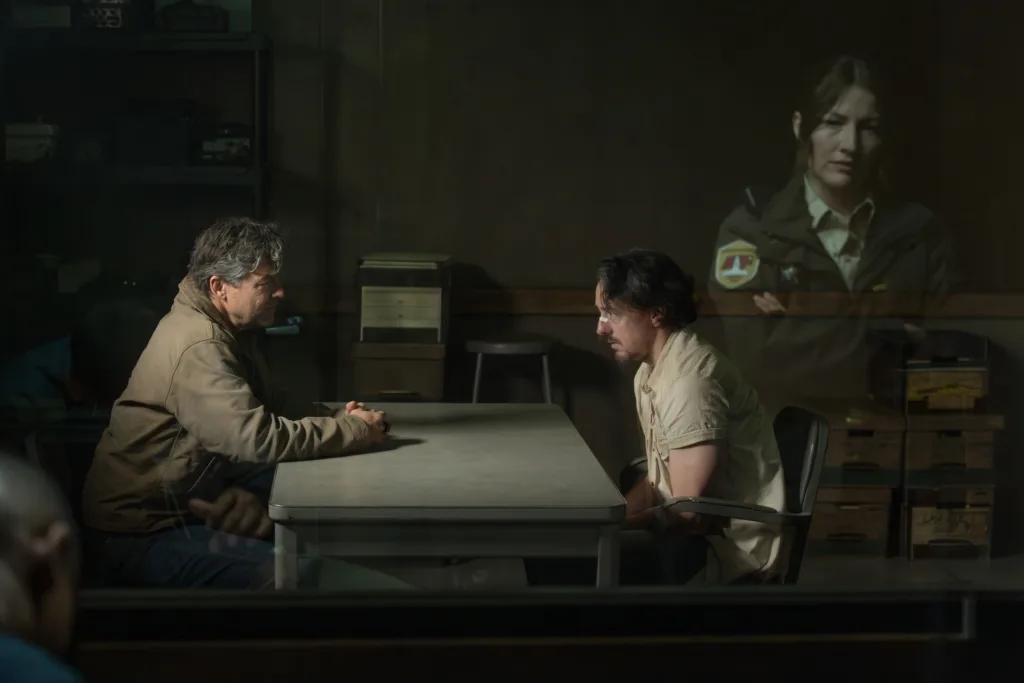
On the influences and tone behind the show
Q: Was there a particular film, TV show, or genre that influenced the tone you were aiming for?
Chris Mundy: “We talked about No Country for Old Men quite a bit just cause of the backdrop… like Midnight Run… the banter is always funny and yet the stakes are always real… We talked about rom-coms, ’cause in a way it’s a strangely, like, Hal and John kind of start apart, fall in love, fall apart again.”
Tom King: “the original creation of John Stewart by two guys named Neal Adams and Denny O’Neil… John just won’t take the world the way it’s given to him… he’s throwing over tables saying, I’m not wearing a mask, I know who I am—I’m something different than you and I might be something better than you.”
Damon Lindelof: “the show at times felt like Western… There are these archetypal kind of, like, John Wayne-like ideas that are built into it and constructs around manhood that I think that both Hal and John inherited from their dads… John and Hal are not quite father and son. They’re more akin to brothers.”
Poorna Jagannathan: “I’m not a comic book you know, I don’t engage in the genre and haven’t for many years. And so, this show is so faithful and so delightful for people who are, but it’s such an invitation for people like me who are not exposed to this. An invitation to step into the genre because it is so intensely relatable and so human.”
Kyle Chandler: “it’s all kind of boils down in my mind, it’s really good storytelling.”
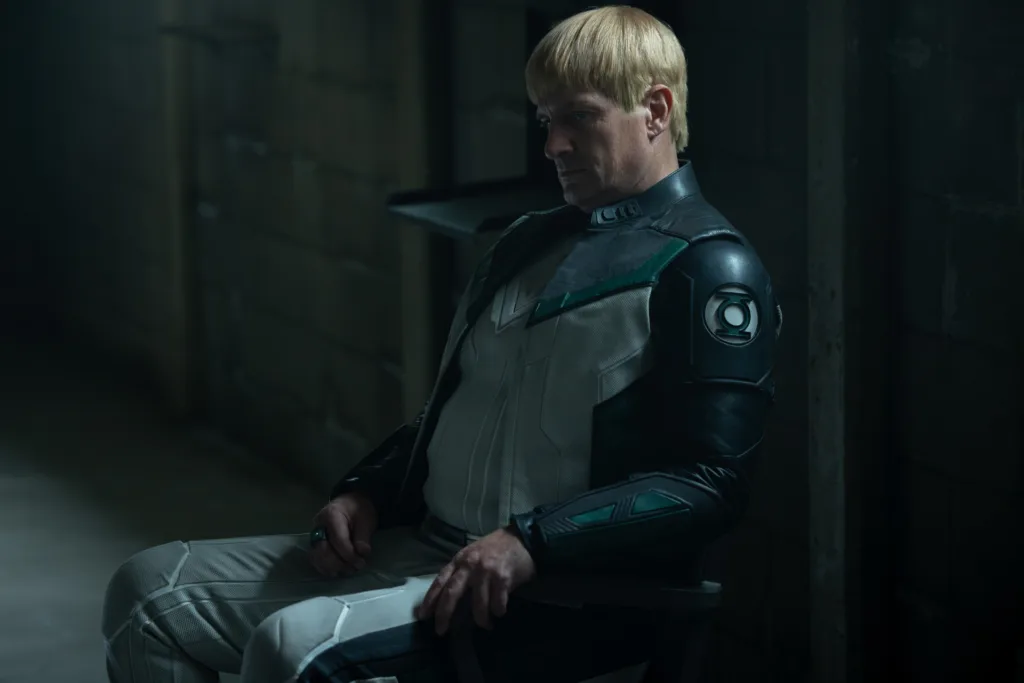
On how long the story should run
Q: Do you have that in mind as well that you want to make sure… that’s not going to go on for 10 years, but you know exactly where you want to land without stretching the stories?
Damon Lindelof: “I can speak from personal experience… what it was like on something like Lost where we didn’t, you know, we had to aggressively fight for an end date as early as when the show premiered.”
Damon Lindelof: “Chris’s vision for Lanterns was the perfect hybrid… he said, I want to tell a complete story… we want the audience to be really hungry for more when it ends… it feels like it was a really good meal but a couple of hours after you’ve consumed it, you’re going to say, I think I want to spend some more time in that world.”
Lanterns starts streaming premieres on HBO Max on August 16th, with new episodes every Sunday (or Monday overseas) across an 8-episode season.
If you enjoyed our article about the Lanterns Writers and Cast on Creating a Cosmic Superhero Story That’s Human First (Interview) check out more from Screen Brief below.
Read more DC News from from Screen Brief.